Most car services take 1 to 4 hours, depending on the service type and what needs to be done.
Knowing roughly where your booking falls on that scale makes it much easier to plan your day around work, school runs, or other commitments, instead of guessing how long you’ll be without your car.
To help you plan with more confidence, here’s a breakdown of typical service times, what can stretch them out, and a few ways to keep your next booking as quick as possible.
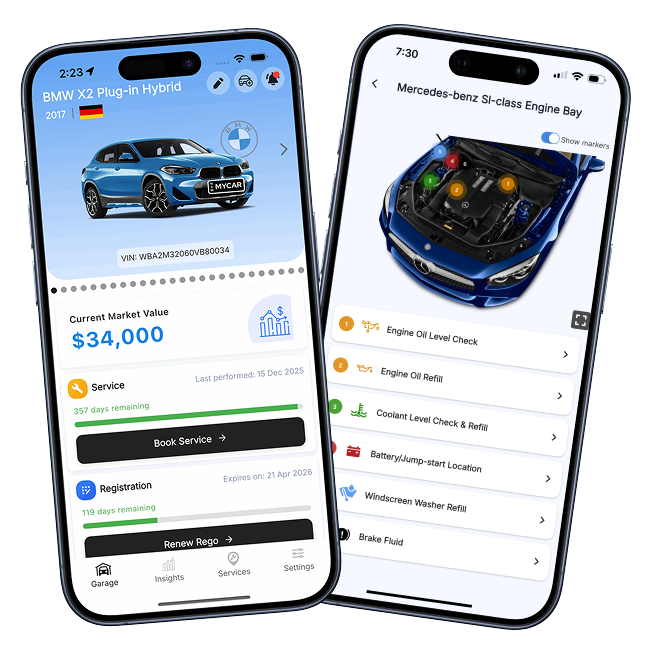
Knowing an app like Autoport can help you monitor when your next service is due. It also makes it easier to plan ahead than getting caught off-guard.
Typical Car Service Times at a Glance
Before getting into what affects the time, it helps to see the rough numbers side by side. As a general guide:
- Minor or basic service: 1 to 2 hours.
- Full or major service: 3 to 4 hours (sometimes longer for the most comprehensive major services).
- Logbook service: 2 to 4 hours, depending on the kilometre interval.
These are averages rather than guarantees, and extra repairs along the way can push the time out, sometimes to a full day or more.
What Affects How Long Your Car Service Takes
The numbers above are a starting point, but specific factors can make your booking run shorter or longer than average.
Type and Scope of the Service
More work always means more time. A quick oil change is nowhere near the same job as a full inspection, so the scope of what's actually being done has the biggest single effect on how long you'll wait.
Vehicle Age, Condition, and Make
Older or poorly maintained cars often need more attention, since small issues tend to build up between services. European or performance vehicles can also take longer thanks to specialised parts and more involved labour.
Workshop Workload and Technician Availability
A busy day or a short-staffed workshop can push out turnaround times, even for a simple job. It's also worth knowing that a booked "appointment time" isn't always the time your car actually goes into a bay.
Some workshops work through cars in the order they're dropped off rather than strict appointment slots. So, a car dropped off first thing might still sit in the car park for a while before anyone starts on it.
If timing matters to your day, it's worth asking directly when you drop off roughly when the work will actually begin, not just when your slot was booked for.
Parts Availability
If a part needs to be ordered rather than being on hand, your car may need to stay at the workshop overnight or longer, regardless of how straightforward the actual job would otherwise be.
How Long Does Each Type of Service Take?
With those factors in mind, it's worth looking at each service type and why the times differ.
Minor or Basic Service (1 to 2 Hours)
A minor service covers an oil and filter change, fluid top-ups, and a basic check of lights, tyres, exhaust, and brakes. It's a quick once-over designed to keep things ticking along until a more thorough service is due.
Full or Major Service (3 to 4 Hours)
A full or major service includes everything in a minor service, plus a deeper inspection of the engine, transmission, suspension, and brake systems, sometimes with filter and spark plug replacement.
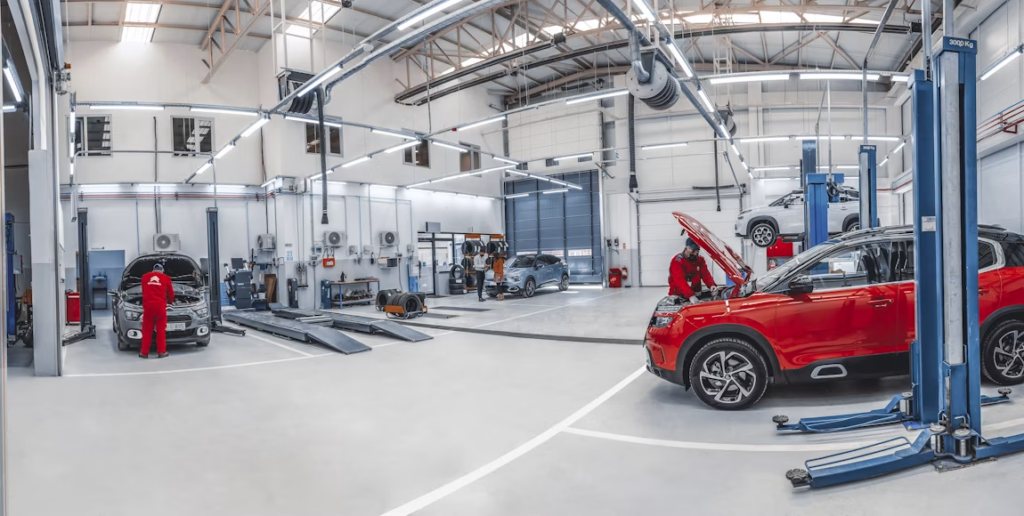
For the most comprehensive major services, some workshops report this extending to 5 to 8 hours if extensive checks or replacements are needed.
Logbook Service (2 to 4 Hours)
A logbook service is carried out according to your manufacturer's schedule, and the time depends on which kilometre interval is being serviced. Higher intervals generally mean more checks and more time at the workshop.
Hybrid and EV Servicing
If you drive a hybrid or EV, these services spend less time on fluid-related tasks, but still need brake, tyre and battery health checks. Some steps, like software updates, can add time to the visit that a petrol service wouldn't need.
Car Service vs Roadworthy or Rego inspection: What's the Difference?
It's easy to assume a service covers everything your car needs, but a roadworthy or safety inspection for registration renewal is actually a separate job with its own scope, timing, and cost. The table below breaks down the comparison.
| Car Service | Roadworthy/Rego Inspection | |
| Purpose | Ongoing maintenance to keep the car running well and catch issues early | Safety-critical items only (brakes, tyres, steering, suspension, lights, seatbelts, windscreen and exhaust) |
| Typical Time | 1 to 4 hours, depending on service type | Around 30 to 45 minutes for a straightforward inspection |
| Service Frequency | Every 12 months or 10,000 to 15,000 km, per your logbook | Varies by state. For example, NSW requires one annually for cars over 5 years old at rego renewal, while Victoria and Queensland require one at the time of sale or transfer |
| Costs | Roughly $200 to $950 or higher depending on service type | Roughly $50 to $250 depending on the state and whether repairs are needed |
| Does It Confirm the Car is Well-Maintained? | Yes, it's a broader mechanical check | No, a pass only confirms the car is safe to drive, not that it's in good overall condition |
If you do book both together, expect the total time at the workshop to be longer than a standard service alone, since they're assessed separately even on the same visit.
Missing a rego deadline is a separate risk from missing a service. Tracking both dates makes it easier to plan for either one without a last-minute scramble.
What Happens if Extra Repairs Are Found?
Sometimes a routine service turns up something unexpected, and that's usually the biggest reason a quick booking runs long.
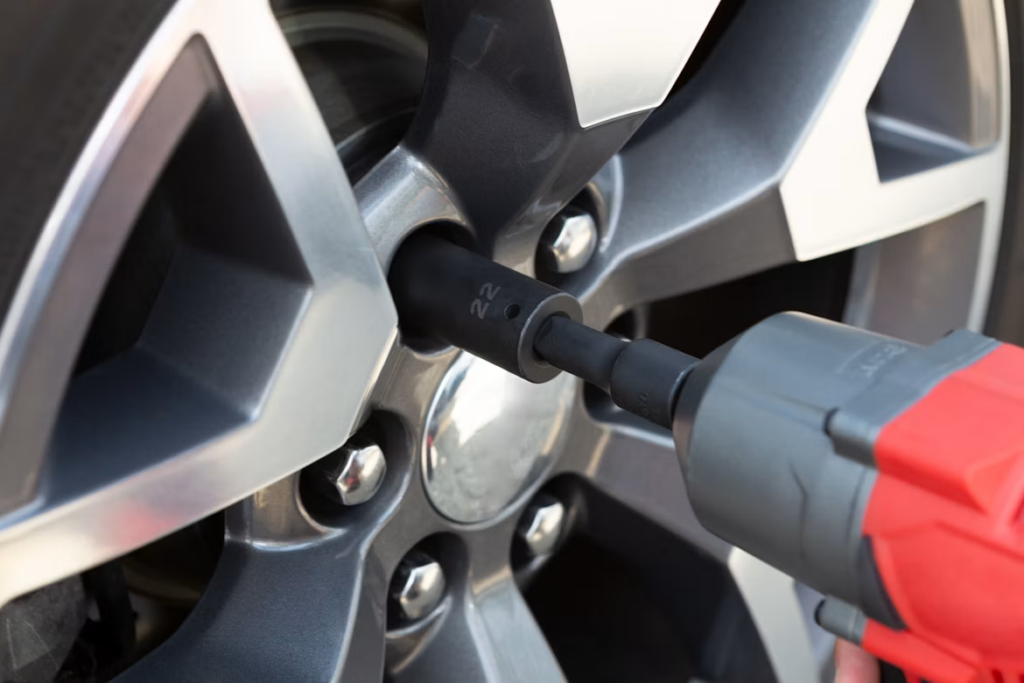
Most workshops will call before starting any unplanned work so you can approve the extra time and cost yourself, rather than being surprised at pickup. This is the most common reason a quick booking turns into a same-day or next-day wait.
In some cases, a full day or more if a part needs to be ordered in. Make sure to budget a little flexibility if your car hasn't been serviced in a while.
How to Reduce Your Car Service Time
If you'd rather not leave it to chance, there are a few practical ways to help your service run as smoothly as possible:
- Book early: Booking an early morning slot when workshops are least backed up is one of the simplest ways to avoid delays.
- Bring your service history: Keeping your service history and logbook records on hand means the mechanic isn't starting from scratch.
- Flag known issues: Describing any known issues upfront helps the technician focus the inspection.
- Choose the right workshop: Selecting a workshop with clear communication and good reviews rather than picking blind. Compare trusted mechanics near you before you book.
- Ask about extras: Asking specifically about loan cars, shuttle service, or express options when you book, since not every workshop advertises these upfront.
Several national chains offer a complimentary loan vehicle or shuttle drop-off for jobs expected to take most of the day. Some also run an express option while-you-wait lane for straightforward minor services. The latter can turn what might otherwise be a half-day wait into something you can genuinely sit and wait out with a coffee
Frequently Asked Questions
Here are a few quick answers to the follow-up questions people often have once they know how long their service will take.
Can I Wait At the Workshop While My Car Is Serviced?
Usually fine for a minor service booked ahead, but less practical for a full or major service given the extra time involved.
How Do I Know if I Need a Minor or Major Service?
It's set out in your manufacturer's logbook schedule, which lists what's due at each interval based on kilometres or time since your last visit.
Can I Drive My Car Straight After Service?
Yes, once the workshop confirms the work and final checks are done, you're free to drive off as normal.
Does Keeping Up With Regular Servicing Make Future Services Faster?
Yes. Cars that are serviced consistently usually need less time at the workshop since fewer issues build up between visits.
The Bottom Line
At the end of the day, how long your service takes mostly comes down to the type of service and your car's condition rather than any single fixed number. If you're ever unsure, asking the workshop directly when you book is still the most reliable way to plan your day around it.
The easiest way to avoid a surprise wait is knowing exactly when your car is due for its next service.
Autoport keeps track of that for you and helps you find a trusted local mechanic when the time comes, so you're never left guessing. Learn more about our app!