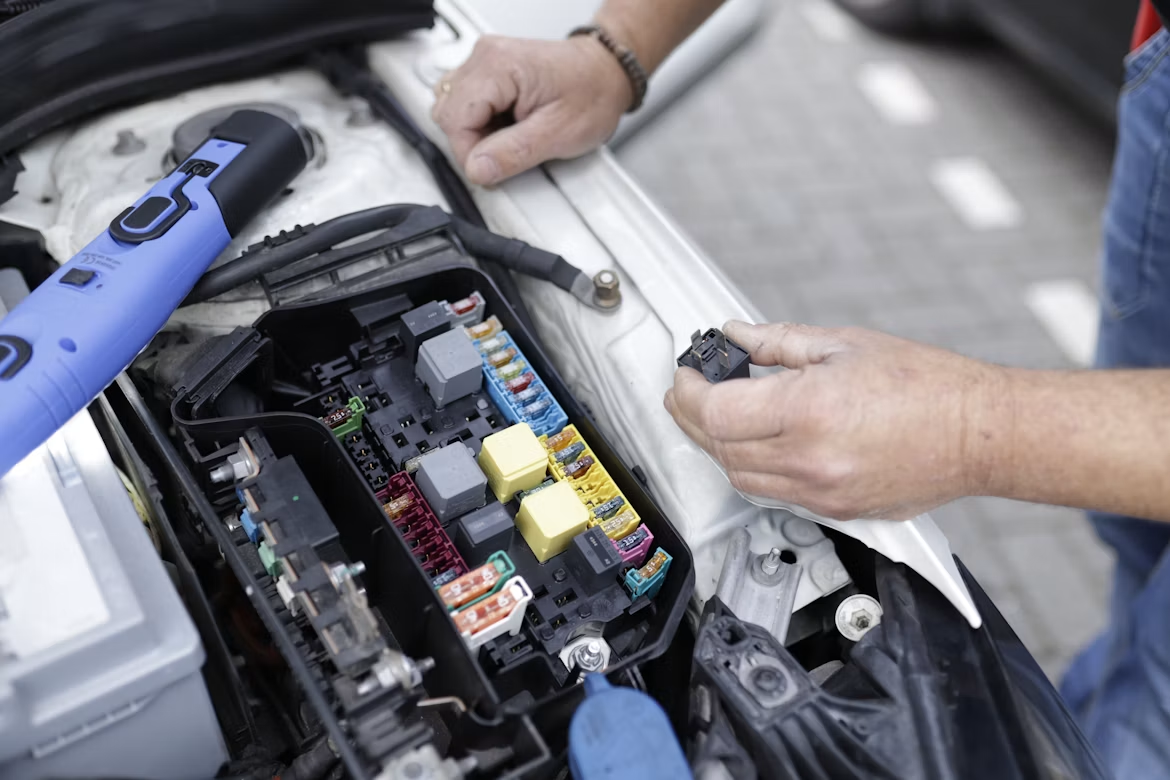
Most cars need a service every 12 months or 10,000 to 15,000km, whichever comes first. Australian manufacturers build their capped-price servicing around time or kilometres, and in some cases it's an "either" or "both" situation.
The exact number depends on your make and how you drive. For instance, Turbocharged engines and cars that tow or do a lot of stop-start driving often need attention sooner than the standard schedule.
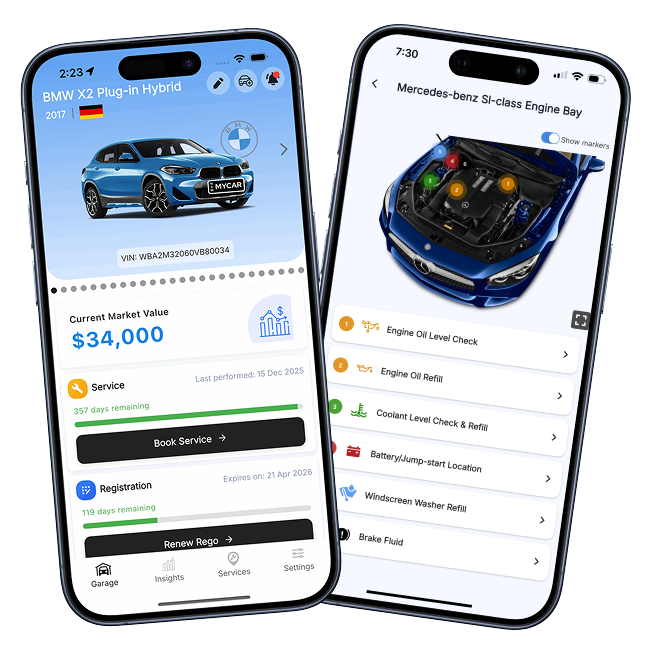
It’s not always easy to remember how often you should service your car. Therefore, use an app that keeps track of the schedule, so you don’t end up with a bigger repair bill, a disputed warranty claim, or a lower resale value down the track.
The General Rule for Australian Cars
Every manufacturer sets its own schedule, but here’s how often you should service your Australian car:
- Mainstream petrol cars need servicing every 12 months or 15,000 km, whichever comes first.
- Turbocharged engines run on a shorter cycle, commonly every 10,000 km, since turbo oil runs hotter and breaks down faster.
- Heavy-duty 4WDs and utes are frequently placed on a stricter 6-month or 10,0000km schedule, even when a closely related model in a lighter category gets 12 months.
- EVs have no engine oil to change, but most brands still set a check every 12 months or 15,000 to 20,000km. A few stretch to two years, and Tesla services by condition instead of a fixed interval.
- A car covering only 8,000km a year still needs its annual service. Oil and coolant break down with time and heat cycles, not just distance.

Meanwhile, if you’re looking for the servicing schedule for a specific car model, make, and type, here’s what you need to know:
| Vehicle | Service Interval |
| Toyota Corolla / RAV4 / Camry | 12 months or 15,000km |
| Toyota HiLux / Prado / Land Cruiser | 6 months or 10,000km |
| Mazda CX-5 / Ford Ranger / Everest | 12 months or 15,000km |
| Hyundai Tucson / Kia Sportage (Turbo) | 12 months or 10,000km |
| Tesla Model 3 / Model Y | No fixed interval |
How to Find Your Car’s Exact Interval
To find your car’s exact service interval, check your logbook or owner’s manual. But if you’ve lost it, there are a few steps to help.
Check Your Logbook or Owner’s Manual
Your logbook is inside the glovebox, and it lists each service by kilometre milestone, such as 15,000km, 30,000km, 45,000km, and so on. Most manufacturers also publish it as a free PDF on their Australian website, so a missing physical copy isn’t fatal.
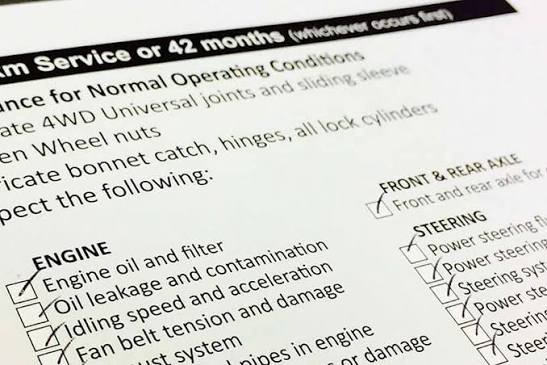
The logbook always overrides the rule of thumb (12 months or 10,000 to 15,000km), since it's calibrated to your car's exact model, engine, and variant. Sometimes your car needs to come in sooner than the default suggests, and sometimes you can safely go later.
If anything is unclear, a qualified technician can talk you through it.
What If You’ve Lost the Logbook or Bought a Used Car
If your logbook is lost or you’ve just purchased a secondhand car, here’s a list of actions you can take:
- Collect physical evidence. Check for service stickers on the windscreen or under the bonnet. Keep them together in a folder under the glovebox.
- Go straight to the workshop. If you know where the car was serviced, call that dealership or independent workshop directly. The dealers will pull up past records from the VIN or registration number.
- Run a PPSR check. Search the car’s VIN on the government’s Personal Property Securities Register at ppsr.gov.au for $2. This portal is run by the Australian Financial Security Authority (AFSA), and it confirms nationally whether the car has money owing, is reportedly stolen, or is written off.
- Chase a write-off flag further. If the PPSR search comes back written-off, contact the state road transport authority that logged it, such as Transport for NSW, VicRoads, Queensland's Department of Transport and Main Roads (TMR), depending on where you live. The car will either be categorized as a repairable write-off (which can be legally re-registered once fixed and inspected) or a statutory write-off (which can never be re-registered).
- Book an Independent Pre-Purchase Inspection (PPI). An inspection from an independent mechanic or through a motoring club, such as the National Roads and Motorists’ Association (NRMA) and Royal Automobile Club of Victoria (RACV), gives you a documented, third-party read on the car’s actual condition when there’s no paper trail to rely on.
- Replace lost registration papers. Reach out to your state road transport authority, from Service Tasmania and Access Canberra to Western Australia’s Department of Transport, to request a replacement registration certificate if you need proof of current rego.
What Changes the Car Service Interval
A couple of factors, such as your daily driving habits, whether you tow or carry heavy loads, and the kind of roads you ride on most, determine your car's service interval.
Short Trips and Stop-Start Driving
Frequent short trips mean the engine rarely reaches full operating temperature, letting moisture and contaminants build up in the oil faster than normal.

The standard interval is the latest point you should leave it to, not a date to aim for exactly. If your logbook says 12 months or 15,000km and most of your driving is short trips, don’t wait for the full year. Many car brands publish a shorter “severe duty” schedule in the manual, often close to half the standard one at 6 months, for short trips and stop-start driving.
Towing, Dust, or Harsh Conditions
Towing, heavy loads, or regular unsealed road driving strain the engine, brakes, suspension, and cooling system. Manufacturers commonly specify a “severe conditions” interval for it, often 5,000km or 3 months.

Heavy commuter traffic counts, too. Inner-city stop-start peak hours are a harsh condition to consider.
Why “Whichever Comes First” Catches People Out
“Whichever comes first” means the service is due the moment the calendar or the odometer hits its number, whichever happens sooner. Check the numbers on your logbook.
For instance, if you drive very little, you’ll still pay for the full service on time. A Corolla owner covering 6,000km a year is using under half the 15,000km allowance. The car looks barely used, but the 12-month clock runs out regardless, so they’ll still pay for a full service, around $255 under Toyota’s capped-price program.

If you drive a lot, you pay more often. A tradie doing 40,000km a year in a Ranger blows past the 15,000km mark every four and a half months.
On the standard 12-month/15,000km schedule, the car should receive two to three services a year instead of one. This higher stream of services pushes the annual bill past $1,000, more than double the roughly $460 an average-distance driver pays for a single yearly visit.
Minor Car Service vs Major Car Service
A minor service covers the basics that need checking at every visit, like oil and filter replacement. A major service adds deeper component work that only needs doing every second or third repair, such as tyre rotation and steering check.
What Minor Car Service Covers
A minor service is generally the quicker, cheaper visit, running around ninety minutes. Costs typically run $200 to $450.
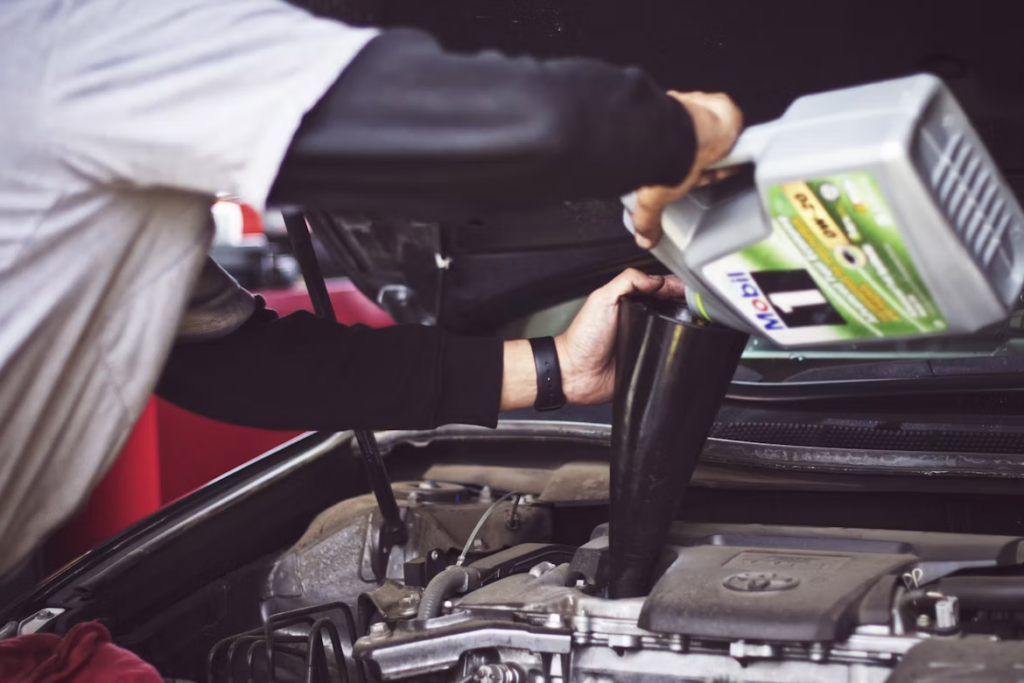
A minor service covers:
- Oil and filter replacement
- Fluid top-ups
- A basic brake and suspension check
- Tyre tread and pressure checks
- Battery and lights testing
- A diagnostic scan
What Major Service Covers
A major service is usually due every 30,000 to 45,000km or every two to three years. Costs typically run $650 to $950, and often more for European and luxury vehicles.
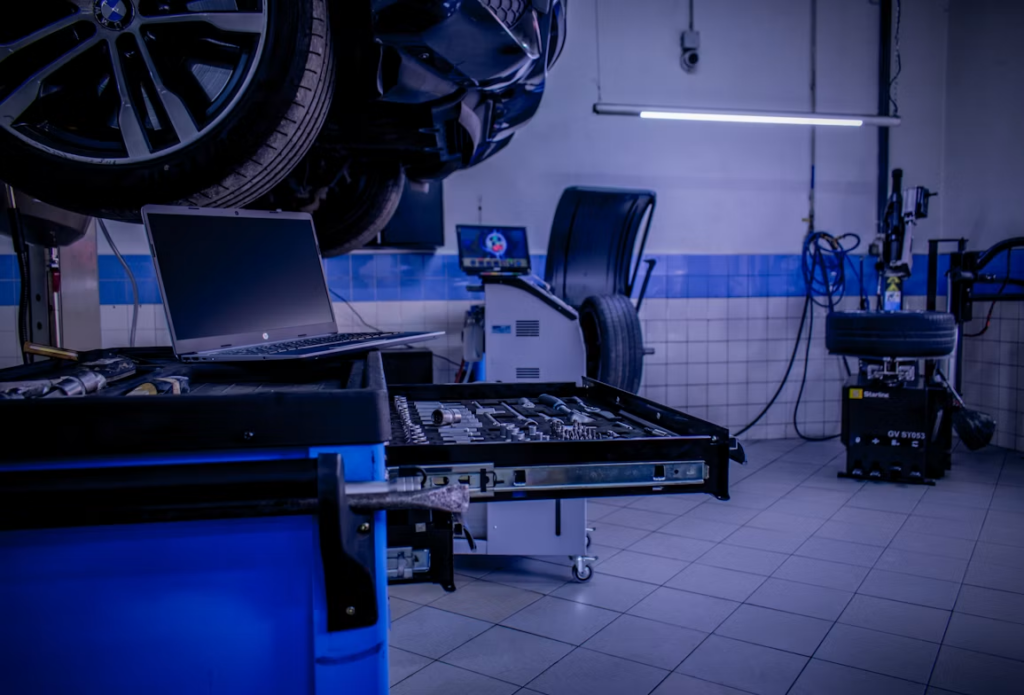
A major service includes everything in a minor service and the following:
- New air, fuel, and cabin filters
- Spark plugs on petrol engines
- A brake fluid flush
- A coolant flush
- Belt inspection
- A detailed suspension and steering check
- Tyre rotation and wheel alignment
What Happens If You Skip a Service
Skipping a service is pretty common – roughly around 4.3 million Australian adults had delayed or skipped part of their vehicle maintenance, and 1.1 million had skipped routine services altogether. According to a report commissioned by Supercheap Auto, cost-of-living pressure was the main reason cited.
But skipping a service doesn’t automatically cancel a warranty, as regulated under the 2022 Australian Competition and Consumer Commission (ACCC)’s Motor Vehicle Service and Repair Information Sharing Scheme.
Experts at Toyota, Ford, and Kia confirmed that a missed service doesn’t always void your car warranty, except if it causes a specific part to fail. Say you miss an oil change and the engine seizes from lack of lubrication – the manufacturer can refuse to cover that repair under warranty.
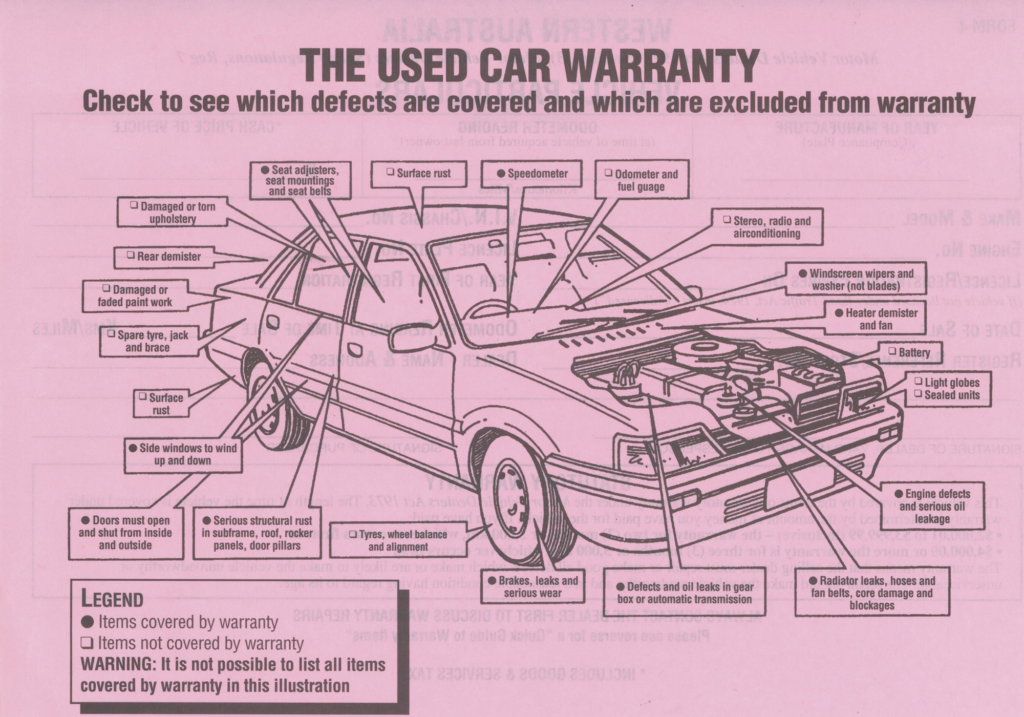
However, the manufacturer cannot use it as an excuse to deny warranty on unrelated issues, like a faulty window switch or an air conditioner fault
Deferred servicing also compounds mechanically:
- Old oil left too long thickens and loses its ability to prevent friction, leading to overheating and sludge.
- Dirty filters force the engine to work harder, draining power and fuel.
- Brake fluid absorbs moisture regardless of use, gradually reducing stopping power.
None of it fails dramatically all at once, but the costs to fix later gradually become bigger than the costs to maintain, and it’s harder to sell a car with a patchy history.
How to Keep Track of Your Service History
Australia has no central government database tracking a car’s service history. Monitoring car maintenance trails falls squarely on the owner. Here are the steps you should take:
- Pull together old emails, dealership portals, and invoices.
- Keep your physical logbook updated with odometer readings and notes from each workshop or dealership visit.
- Use digital car service trackers like Autoport to log service dates, rego renewals, and reminders in one place. Some brands also keep maintenance records on their online service history (OSH) systems, such as MyHyundai, Ford Support, and Lexus Drivers.
- Contact the mechanic and confirm the history of any car work done.
Frequently Asked Questions
Here’s what car owners want to know aside from how often you should service your car:
Do Electric or Hybrid Cars Need Servicing as Often?
Electric cars never need an oil change, because there's no engine oil to replace. They still need regular checks, usually every 12 months or 15,000 to 20,000km, although some brands stretch to two years and a few, like Tesla, have no fixed interval. A service focuses on brakes, tyres, suspension, the cabin filter, coolant, and battery health.
Hybrids are different. They still have a petrol engine, so they need oil changes and follow a schedule much like a regular petrol car. Either way, your logbook has the exact interval, and both types generally cost less to maintain than a petrol car.
Does Using an Independent Mechanic Void My New Car Warranty?
No, based on the Australian Consumer Law, a manufacturer does not cancel your car warranty automatically if you service your car with an independent mechanic. The ACCC has required manufacturers to give independent repairers the same access to service data, including software updates, diagnostic codes, and wiring information.
What If I Barely Drive My Car?
The time-based interval still applies. Oil, coolant, and rubber seals degrade with age and air exposure regardless of distance travelled. A car doing very few kilometres a year also needs its annual check.
The Bottom Line
Twelve months or 10,000 to 15,000km is the most common car servicing interval, but your logbook has the real number. Driving conditions can shorten it, and a few models, including some 4WDs and utes, are set at six months.
Once you know your interval, it helps to have somewhere reliable to check it. Autoport app can keep your service history, rego renewal dates, and upcoming reminders in one place. Nothing slips through because a logbook got lost or a maintenance date got missed.
Try it today!