You've been handed a service logbook full of stamps and numbers, and you're not sure what you're supposed to check. Maybe it's a used car, or maybe it's your own glovebox, and you want to check the book before a service, a warranty claim, or a sale. This guide works for both. To check a car's service logbook, each genuine service entry should have a dated workshop stamp, an odometer reading at the time, and kilometres that rise steadily from service to service. Anything that breaks that pattern is worth a closer look. Here are six steps to check a car's service logbook properly, plus what to do if the book is missing, patchy, or replaced with a digital record. What a Service Logbook Shows A service logbook records each service a car has had: the date, kilometres, workshop, and often a checklist of what was done. A complete book with regular stamps is a good sign the car has been looked after, but it's one piece of evidence, not a guarantee. Newer cars increasingly use a digital service record instead. How to Check a Service Logbook in 6 Steps The six steps below take you from making sure the logbook belongs to the car to checking the service history, kilometres, invoices and workshop records. Each explains what to look for, what good evidence looks like, and when it’s worth pausing to ask questions. If you’re buying a car, work through all six. If it’s your own car and you simply want to check the book is in order, Steps 1 to 3 are the quickest place to start. Step 1: Confirm the Logbook Belongs to the Car A stamped logbook is only useful if it actually belongs to your car. A mismatched or swapped-in book from a different vehicle makes every stamp inside it worthless as evidence. Based on Australian privacy laws, you can't look up a registered owner's name online. To confirm if the logbook belongs to the car, cross-match the book against the car using the VIN. A Vehicle Identification Number (VIN) is an internationally standardised, unique 17-character code made up of numbers and letters, provided by the vehicle manufacturer to identify a specific motor vehicle. The VIN is usually stamped on the car, either on a plate at the windscreen base, inside the driver's door pillar, or in the engine bay. Check it against the logbook, then do the same with the engine number. Check that the make, model, year, and colour listed in the logbook match the car you're looking at. Use your state’s free registration check to confirm the registration details and that the vehicle matches the record: New South Wales: Service NSW Victoria: VicRoads Queensland: QLD Rego Check South Australia: EzyReg SA Western Australia: DoT Direct WA If you’re buying a car, perform a Personal Property Securities Register (PPSR) check. It costs $2 and confirms the car's status against its VIN. One red flag is a replacement logbook with no earlier service history. If the book is a replacement, ask why the original was lost or replaced and whether any of the previous records are still available. Step 2: Check That Every Service Has a Complete Stamp To check that every service has a complete stamp, open the service schedule pages at the front or back of the book for the manufacturer's required intervals. A service usually happens every 10,000 to 15,000 kilometres or 12 months, but always follow the schedule printed in your own book. Compare it against the stamped entries and see if any are missing. A good stamp includes the workshop's name, date, and kilometres, usually with a signature. A stamp missing those details is weaker evidence. It's also worth glancing for changes in handwriting or ink across supposedly different years. Some newer vehicles, including many BMW, Audi, Mazda and Ford models, log service history digitally rather than in a paper book. Confirm the most recent service isn't currently overdue, whichever format applies. Step 3: Make Sure the Kilometres Add Up Every stamp or invoice should show the odometer reading at the time, and readings should climb steadily. A reading that goes backwards, or barely moves after a long gap, could mean a mistake or a rollback, so it's worth asking about. Compare the last logbook entry against the current dashboard. A dashboard reading lower than the book is a serious warning sign. Where available, your state's rego check may show previous odometer readings, though what's shown differs by state. If you’re buying a used car, heavily worn pedal rubber or a very shiny steering wheel don't sit well with a low-kilometre claim. A licensed mechanic or a state motoring organisation, such as the Royal Automobile Club of Victoria (RACV), the National Roads and Motorists' Association (NRMA) in New South Wales, or the Royal Automobile Club of Queensland (RACQ), can scan the car's electronics and check wear against the claimed figure. Step 4: Check the Right Work Was Done Australia doesn't have a single national database of service history, so this is about piecing together evidence. Check whether stamped entries match the logbook's own service schedule in type, not just timing. The ACCC has confirmed that a qualified mechanic can service and stamp the book without voiding the manufacturer's warranty, provided the work follows the manufacturer's specifications. Most schedules alternate between minor services (oil, filters, a basic check) and major ones (spark plugs, timing components, brake fluid, more extensive inspections) every second or third visit. For more on what's covered at each interval, see our guide to log book servicing. A car that has only ever had minor services, with the major intervals stamped as if they were minor too, may have quietly skipped the more expensive work. This observation is worth flagging even if every date lines up. Many logbooks include a checklist for each service, such as tick boxes next to items like "brake fluid checked," "air filter replaced," or "timing belt inspected." Open to that page and see whether the boxes are actually ticked for each visit, not just the date and kilometres filled in. If the checklist is blank, ask the seller or the workshop for the detailed invoice instead. A proper invoice should spell out exactly what was checked or replaced that day, even when the logbook itself doesn't. If you still can't tell whether the right work was done, or the entries don't match what you'd expect for the car's age and kilometres, book a pre-purchase inspection. That way, you can stop relying on paperwork and get a mechanic to verify the car's actual condition directly. Step 5: Ask for the Invoices Behind the Stamps A stamp on its own is just a mark in a book. The strongest evidence is a stamp paired with a matching tax invoice showing the same date, kilometres, and work done, and a folder of dated invoices can also fill gaps where stamps are missing. A genuine invoice lists specific parts, oil brand and grade, fluid quantities and tasks completed, plus a valid Australian Business Number and details of the GST. The GST, or the Goods and Services Tax, is Australia's 10% tax on most goods and services, and it should be clearly shown or included in the total. Step 6: Call the Workshop to Confirm Pick one or two stamped entries, ring the workshop named in the book, and give them the rego or VIN and the service date to ask if they have a record of it. A franchised dealer can often confirm work it carried out itself, and some workshops may only confirm the date and kilometres rather than full details. Due to privacy limits, they may not share everything over the phone, but most will confirm whether a service actually took place on the date you name. What If the Car Has a Digital Service Record Instead? Many newer cars don't come with a stamped paper book. The dealer logs each service electronically against the VIN. So, a no-logbook answer from a seller doesn't automatically mean there's no history to check. How Digital Service Records Work A digital service record, or DSR, is an electronic record of maintenance and repair work, stored in a manufacturer's database or an independent platform, in place of a paper book. It can serve as evidence of care much like a stamped book, typically capturing: Service dates Vehicle mileage at each visit Maintenance work carried out (oil changes, filter replacements, and the like) Repair work carried out, where applicable Other service-related details, such as parts used or technician notes These records are harder to fake than a physical stamp, but you'll usually need to ask the seller or a franchised dealer to produce it using the VIN. Some brands also let owners view it through an app or online account, so check that brand's Australian system rather than assuming it works the same way everywhere. A digital record may only capture work the dealer network itself entered, so a service done at an independent workshop might not show up at all, even though it happened. If a seller says a recent car has no logbook, ask about a digital record before walking away from the deal. Can You Check a Car's Service History Online for Free? Not in full. There's no single free public register of service history in Australia. To access service records, check with the previous workshops, dealers or manufacturers. State checking tools like Service NSW show registration expiry, CTP insurance, and recent odometer readings. They are useful as supporting evidence, though they are not a service record themselves. A PPSR search is low-cost and shows finance owing, but it isn't a service history check. What to Do If the Logbook Is Missing or Has Gaps A missing or patchy logbook isn't automatically a deal-breaker, but it does mean more legwork. If You're Buying the Car Work through this order rather than jumping straight to a paid report: Ask the seller for any invoices or receipts, and the names of the workshops that serviced the car. Contact those workshops, or a franchised dealer, with the VIN or rego. Check what odometer history your state's registration check shows. Consider a paid vehicle history report, keeping in mind it may not capture every service. Book a pre-purchase inspection. Gaps in history are also a fair point to negotiate on price. If It's Your Own Car Not automatically a deal-breaker, but a risk worth pricing in. Fluids and belts may be quietly overdue, resale gets harder, a manufacturer may reject warranty claims without proof of servicing, and there's no evidence of regular care. If you still want the car, negotiate the price down by roughly the cost of a major service plus a buffer for surprises, and be more willing to walk away from an expensive model with zero history than from a simple, reliable older one. Get an independent inspection and be ready to walk away if the seller won't cooperate. Is a Car With No Logbook Still Worth Buying? Not automatically a deal-breaker, but a risk worth pricing in. Fluids and belts may be quietly overdue, resale gets harder, a manufacturer may reject warranty claims without proof of servicing, and there's no evidence of regular care. If you still want the car, negotiate the price down by roughly the cost of a major service plus a buffer for surprises, and be more willing to walk away from an expensive model with zero history than from a simple, reliable older one. Get an independent inspection and be ready to walk away if the seller won't cooperate. Does a Logbook Have to Be Stamped by a Dealer? Buyers wonder whether an independent stamp counts, and owners worry it might affect their warranty. The short answer to both is reassuring. Can An Independent Workshop Stamp the Logbook? Yes. The ACCC has confirmed an independent repairer can sign or stamp the service page without affecting the manufacturer's warranty, even where the book has boxes for authorised dealers, provided the work is done by qualified staff, to the manufacturer's specification, using suitable parts. For a buyer, a stamp from a good independent workshop counts just as much as a dealer stamp when those conditions are met. What About Extended Warranties Sold by a Dealer? This is where the exception sits, and it's an easy one to miss. The manufacturer's warranty is protected once an independent workshop does the work correctly. The ACCC has noted that extended warranties sold by a dealer, on top of the manufacturer's cover, often come with their own condition: servicing at that same dealer for the extended period to stay valid. If you get your car serviced elsewhere, its extra cover can lapse, even though the manufacturer's own warranty is untouched. If you hold, or are buying a car with, a dealer-sold extended warranty, check its terms before choosing a workshop rather than assuming the same independent-stamp rule applies. This is general information, not legal advice. What a Logbook Can't Tell You A good logbook is reassuring, but it only covers the past. A Full Logbook Doesn't Mean the Car Is Problem-Free A complete service history shows past maintenance, not the car's condition today. Recent misuse, accident damage, or months spent sitting unused can all cause problems a logbook will never mention. All in all, a pre-purchase inspection is the best safety net, particularly when the history looks thin. Logbook vs Vehicle History Report A logbook shows how well a car has been maintained. A vehicle history report covers different ground: finance owing, write-off status, stolen-vehicle status, and odometer tampering. When buying a car, check both the logbook and vehicle history report, since neither covers what the other does. Report prices vary by provider and change over time, so check the current cost rather than relying on an old figure. How to Keep Your Own Service History Complete A few habits make a service history easy to keep intact, whether or not you ever use an app for it. Keep Every Invoice With the Stamp Ask for an itemised invoice at every service and keep it with the stamped page. A stamp on its own can be questioned. However, a stamp with a matching invoice sitting next to it is much harder to dispute, whether you're the one selling later or just settling a warranty claim. Store a Digital Copy Photograph the stamped page and the invoice after every service. A logbook that's lost, damaged, or left in a sold car is hard to piece back together. This is exactly what Autoport is built for. It keeps your service history, invoices, and receipts together, and reminds you when your next service or rego renewal is due. It's available on the App Store and Google Play. Set Reminders So You Don't Miss the Next Service Most gaps start with a due date that quietly slips by. A simple reminder for your next service and rego renewal is often all it takes. The Bottom Line A logbook is good evidence, but not proof on its own. If buying a car, pair it with invoices, an odometer check and an independent inspection rather than relying on stamps alone. If it's your own car, the easiest time to tidy up your records is now, before the next gap starts. A full service history is easier to build as you go than to piece together later. Autoport is a free app that keeps your car's service history, invoices, and reminders in one place, so the record is on your phone whenever a buyer or workshop asks. Add your car to Autoport and start your record today.

A log book service is maintenance carried out to your car manufacturer's exact schedule and...
Read MoreYou've been handed a service logbook full of stamps and numbers, and you're not sure what you're supposed to check. Maybe it's a used car, or maybe it's your own...
A log book service is maintenance carried out to your car manufacturer's exact schedule and checklist. Small log book fixes could involve oil and filter changes, fluid top-ups, brakes and...
Most cars need a service every 12 months or 10,000 to 15,000km, whichever comes first. Australian manufacturers build their capped-price servicing around time or kilometres, and in some cases it's...
Most car services take 1 to 4 hours, depending on the service type and what needs to be done. Knowing roughly where your booking falls on that scale makes it...
Car service costs in Australia can be difficult to estimate. You book online, drop the car off, and a few hours later, you’re handed a bill with no real sense...
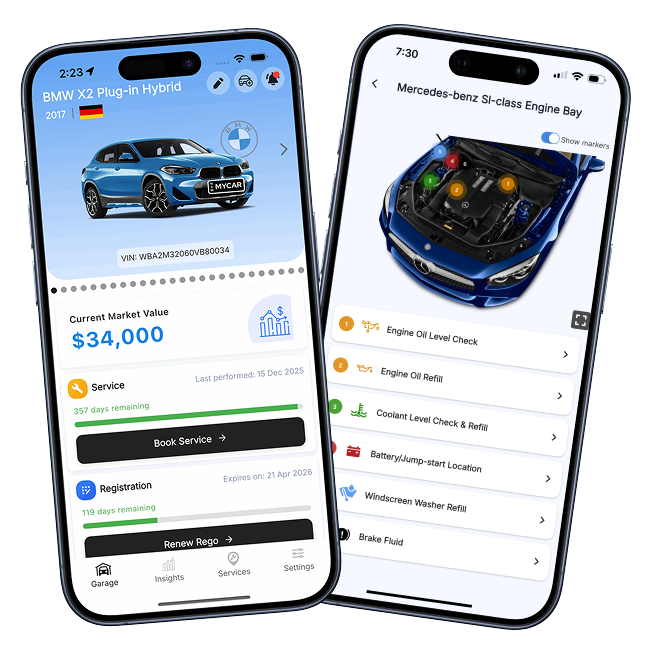
Download Autoport for free and
experience smarter car ownership.