Car service costs in Australia can be difficult to estimate. You book online, drop the car off, and a few hours later, you’re handed a bill with no real sense of what is fair.
The cost of a car service in Australia typically ranges from $200 to $950, and European or luxury cars can push the bill higher. The exact number depends on numerous factors, such as the car's model, age, and your service location.
This guide breaks down the full car service costs in Australia, what you can expect from capped-price services, and how to tell if the quote you receive is reasonable.
How Much Does a Car Service Cost on Average?
Published national averages sit around $245 for a minor service and $385 for a logbook service. Those figures hide a wide spread though, and newer cars, European makes, and metro workshops usually land higher. Here's how the typical ranges break down.
Minor Service vs Logbook or Major Service
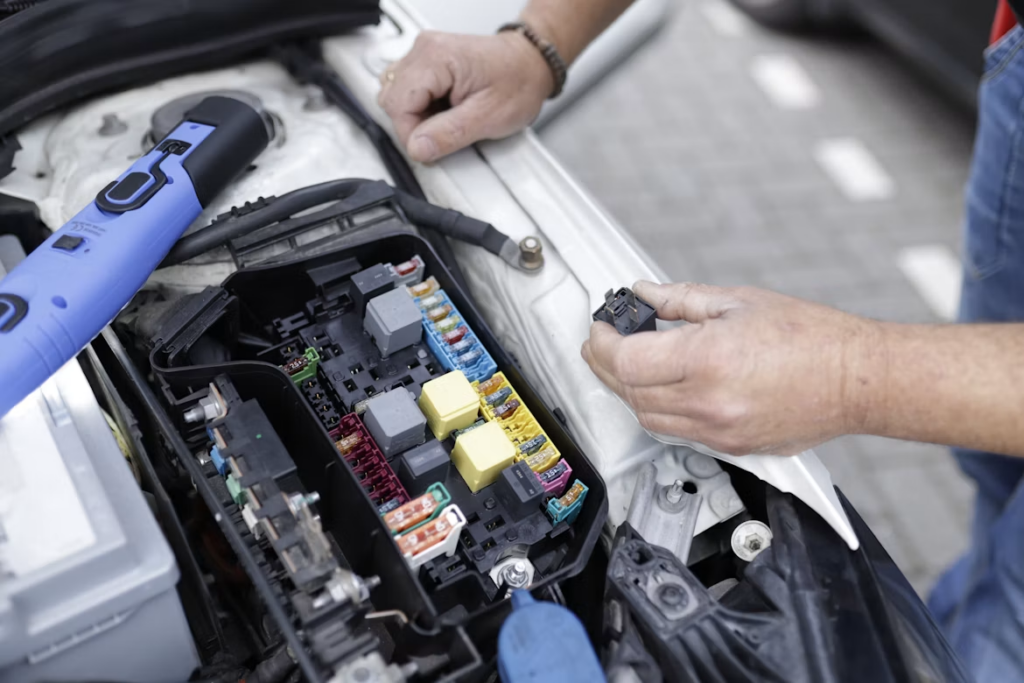
A minor service covers the basic necessities to run a car, such as an oil and filter change, fluid top-ups, as well as brake, tyre, and light checks. These smaller services cost somewhere between $200 and $450. A minor service is usually due every 12 months or 10,000 to 15,000 km, and a few models ask for it every 6 months.

A logbook or major service includes more complex overhauls, such as replacing spark plugs, swapping air and cabin filters, flushing the brake fluid, and inspecting belts and hoses. These issues may seem small at first, but they often lead to bigger problems and pricier service quotes.
Expect to pay around $350 to $800 for a logbook service and $650 to $950 for a major service, with cheaper Asian-brand vehicles at the lower end of each range and European cars at the higher end or beyond.
Check your logbook to find out which parts of your car are due. If you’re unsure, a mechanic can look it up in a minute.
Average Car Service Cost by State
Here are the national average costs of car services across Australian states. Prices shift by location due to local labour rates and demand.
| State or Territory | Typical Average |
| Tasmania | ~$275 |
| South Australia | ~$310 |
| Queensland | ~$340 |
| Western Australia | ~$340 |
| Victoria | ~$345 |
| New South Wales | ~$365 |
| Australian Capital Territory | ~$365 |
| Northern Territory | ~$430 |
Tasmania and South Australia consistently come in the cheapest. The Northern Territory is on the higher side, and capital cities and metro areas sit above the regional pricing for similar car service work.
The actual car repair charges at any given workshop can be well above or below the state figure. It’s worth checking against local pricing before relying on the current national averages, since they move over time.
What Affects the Cost of a Car Service?
The cost of a car service can go up and down depending on a handful of variables, such as the car’s make and model, whether you go to a dealership or an independent mechanic, and the car’s age, mileage, and location.
Car Make and Model
Asian brands like Toyota, Mazda, Hyundai, and Kia are cheaper to service, thanks to widely available spare parts and simpler mechanicals. They usually sit at the lower end of the ranges above.

European and luxury brands like BMW, Mercedes, and Audi cost more because their components are harder to find and labour takes longer. Expect to pay toward the top of the minor and logbook ranges, and $950 or more for a major service.
Dealership vs Independent Mechanic
Dealership servicing usually costs more, but you’re paying for manufacturer-specific expertise and genuine parts. Independent mechanics are 20 to 50% cheaper for the same job.
A common misconception is that using an independent mechanic voids your new-car warranty. According to the Australian Consumer Law, an independent workshop can service your car under warranty, as long as the work meets manufacturer specifications, uses the correct parts, and follows the recommended service schedule.
Car Age, Mileage, and Location
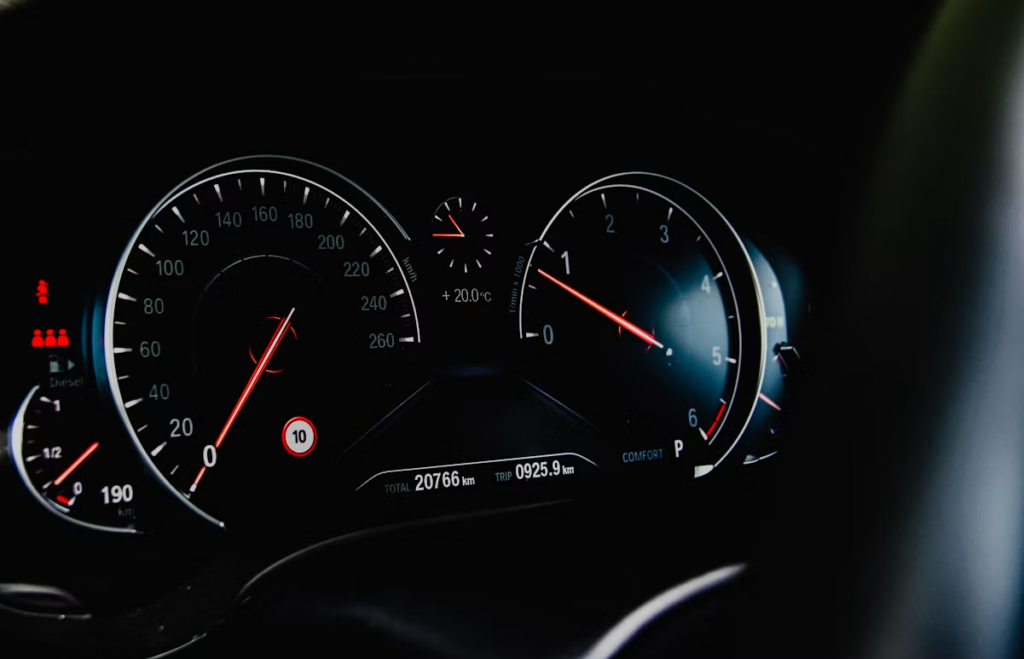
Older or higher-mileage cars need more parts replaced, which pushes the bill up over time. Costs tend to spike at the 60,000 km, 120,000 km, and 180,000 km marks when several scheduled replacements (e.g., timing components, major fluid flushes, or bigger inspections) fall due at once rather than being spread evenly across scheduled services.
The location matters, too. A service in a capital will generally cost more than the same job in a regional town, purely due to higher labor rates.
Capped Price Servicing: How to Know the Cost Ahead of Time
Most major brands in Australia now publish a fixed price for every scheduled service over a set period, so you can estimate your service costs years in advance. Here’s what that actually covers and how the pricing works on a few common models.
What Capped Price Servicing Actually Means
Capped-price servicing is when the manufacturer pre-sets the price for each scheduled service over a set period. You know the maximum cost you’ll pay upfront as long as the car is serviced on schedule at an authorised dealer.
Real Examples Worth Naming
Here’s how the capped-price service pricing plays out across a few of the biggest brands sold in Australia:
- Toyota Service Advantage caps most passenger models at $180 to $130 per service for the first 3 to 5 years. A Corolla sits around $245, while a Camry or C-HR sits around $255. Larger vehicles like the Coaster run up toward $480.
- Mazda Service Select caps pricing for the life of the vehicle, not just a fixed term.
- Hyundai also runs a lifetime capped-price program, recently renamed from iCare to myHyundaiCare. The service cost for a Tucson is around $360 to $408, while a Kona falls between $399 and $507.
- Kia backs its cars with a y-year capped-price program, matching its 7-year warranty. A Sportage averages $479 to $559 per service.
How to Check If Your Car Is Covered
Follow the steps below to check if your car is covered by a capped-price program:
- Go to your manufacturer’s official website and find the “servicing” or “capped-price servicing” section.
- Enter your rego or VIN when prompted.
- Review the exact scheduled costs and dates shown for your specific car.
Does Skipping a Service Actually Save You Money?
No, not in the long run. Skipping a service may save a few hundred dollars now. In a few years, those accumulated charges can break your bank, both in repairs and at resale.
The Short-Term Saving vs Long-Term Cost
A cheap issue caught early, such as a worn belt, a low fluid, or a small leak is far less costly than the same issue left to become a major repair. Skipping a service to save $300 now can easily cost several times that later.
What a Patchy Service History Does to Resale Value
A full, documented service history is one of the first things a buyer or dealer checks at trade-in or resale.
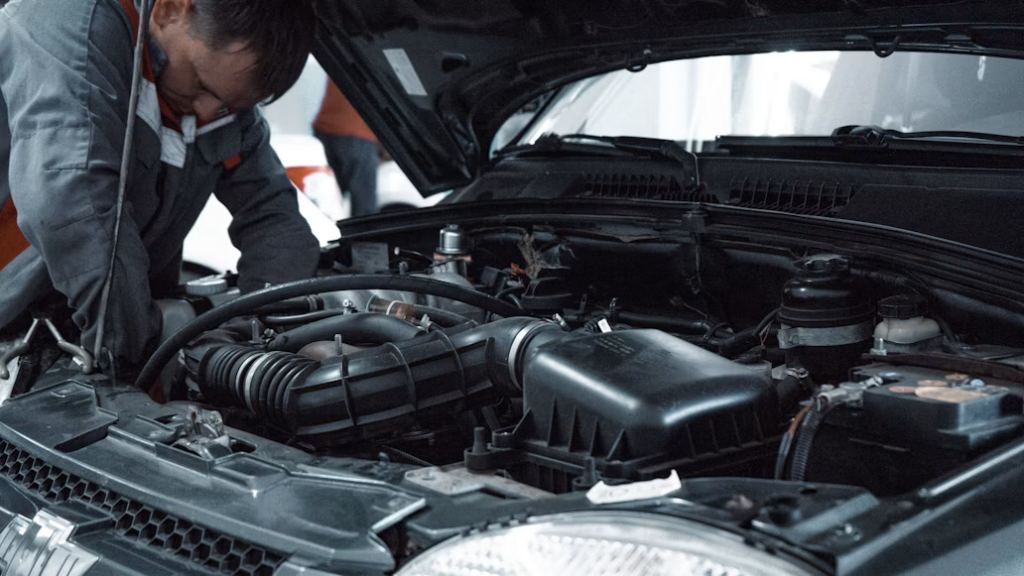
Missing stamps or records can knock real dollars off an offer, even if the car has been running fine. The buyer has no way to verify that the car is in tip-top shape.
How to Tell if a Car Service Quote is Fair
The real test comes when the quote in front of you actually adds up. A fair quote is transparent by default. However, a dodgy one will stop you from asking questions.
What a Fair Itemised Quote Should Show
A fair itemised quote should show the following components:
- Labour and parts broken out separately, not lumped into one number.
- Specific part names or brands, not vague line items like “consumables”.
- A clear note on what happens, and what you’ll be told, if the mechanic finds additional problems mid-service.
- Written confirmation before any extra work goes ahead. Under Australian Consumer Law, a mechanic is required to seek your approval before proceeding with work that materially exceeds the original quote (generally more than 10 to 15% over).
- An offer to return your old, replaced parts at pickup, so you can see what component was actually swapped out.
Red Flags Worth Questioning
If you spot the following warning signals, it’s better to confirm than just accept:
- A single lump-sum price with no breakdown.
- Pressure to prove extra work on the spot before you have the chance to compare or get a second opinion.
- A big jump between the phone quote and the final invoice, with no explanation or prior approval.
- A verbal-only quote with nothing written. It’s far easier for a number to drift upward once you’ve already dropped the car off.
- Reluctance to hand back the parts that were replaced, or to explain why a component needed replacing at all.
If a quote can’t answer what you’re paying for, it’s worth pushing back before you agree to it.
How to Keep Car Service Costs Under Control
Comparing quotes beyond routine work, doing a few checks yourself between services, and never missing a due date are the three habits that can keep costs down without cutting corners.
Get More than One Quote for Anything Beyond a Standard Service
For a routine minor service, one trusted mechanic is usually fine. For anything bigger, such as a major service, a repair, or an unexpected diagnosis, comparing two or three quotes from different workshops is the simplest way to avoid overpaying.
Do Simple Checks Between Services
Tyre pressure and tread, oil and coolant levels, and wiper and light function only take a few minutes to check yourself. Catching a small issue early avoids a bigger bill down the line.
Never Miss a Service or Rego Renewal Date Again
Missing a scheduled service is one of the easiest ways for a small, cheap fix to turn into a bigger, more expensive one. It’s easy to lose track when you’re juggling rego, insurance, and service dates for one or more cars.

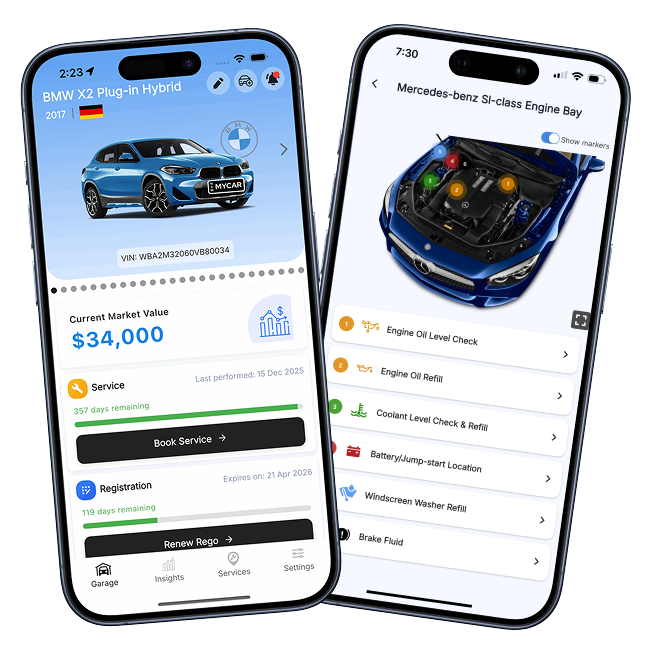
This is exactly the kind of thing an app like Autoport is built for: it tracks service and rego renewal dates in one place, so nothing sneaks up on you.
Frequently Asked Questions
Here are frequently asked questions car owners ask.
How Much Does an Oil Change Cost On Its Own?
Typically $100 to $240, depending on the oil type and vehicle. Synthetic oil sits on the higher end of the price range, while mineral or semi-synthetic at the lower end. This is separate from the full service, which bundles the oil change with fluid top-ups and a broader inspection.
How Often Should I Service My Car in Australia?
Most manufacturers recommend a service every 12 months or 10,000 to 15,000km, whichever comes first. Your logbook is the source of truth for when your car is due, since service intervals vary by model and engine type. Some turbocharged or high-performance vehicles need attention more often than the general rule suggests.
Will Using an Independent Mechanic Void My New-Car Warranty?
No. Under Australian Consumer Law, an independent workshop can service a car under warranty as long as the work meets the manufacturer’s specifications, uses the correct parts, and follows the manufacturer’s recommended schedule. The dealer can’t refuse a warranty claim purely because you didn’t service the car with them.
What’s Actually Included in a Standard Car Service?
Here’s what comes in the package of a standard car repair:
- An oil and filter change.
- Fluid checks and top-ups.
- Brake and tyre inspection.
How Do I Find a Car Service Near Me?
Compare reviews and get more than one local quote before booking, especially for anything beyond a routine minor service. Look for a workshop willing to give you a written, itemised quote up front rather than a verbal estimate. Check whether they’re recognised by an industry body like the Motor Trades Association of Australia for an extra layer of confidence.
Conclusion
There’s no single right price for a car service, but now you know the realistic range and what’s driving the number on your quote.
Once you have a fair price locked in, the easiest way to protect it is by making sure you never miss the next service or rego renewal.
Tracking both service schedules and rego due dates helps avoid costly surprises later. With the free Autoport app, managing your vehicle's upkeep is simple, download the free Autoport app to get started.
You can also learn more about who’s behind Autoport if you’d like to find out more.